Shop Smart: How to Identify Quality Vintage Clothing for Your Wardrobe
Exploring the world of vintage clothing demands a keen eye and a thoughtful strategy. Understanding the significance of garment condition, labels, and material excellence is crucial. Each piece tells a story, but not all stories are deserving of collection. Identifying the signs of authenticity can make all the difference. As one navigates this distinctive market, the right techniques can lead to remarkable finds. What are the essential factors to guarantee a successful vintage clothing hunt?
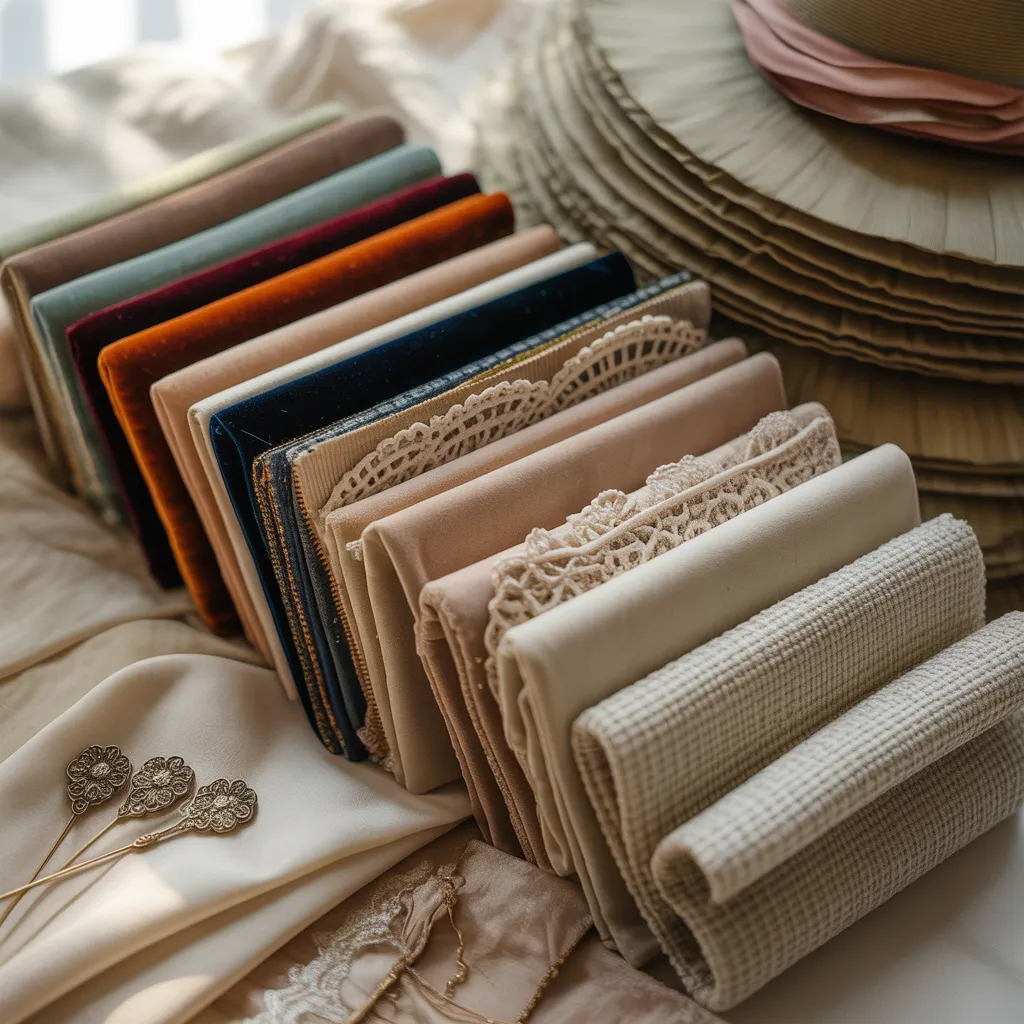
Why Condition Is Critical in Classic Garments
The state of vintage clothing serves as an crucial role in its worth and attractiveness. Enthusiasts and fashion enthusiasts prioritize items that exhibit little damage, as these garments often command greater prices and attract more interest. Elements such as material quality, seams, and overall appearance contribute significantly to a garment's appeal.
Garments in pristine condition, without stains, tears, or fading, tend to retain their original charm and craftsmanship, preserving the aesthetics of the era they represent. Conversely, items with visible damage may be viewed as less valuable, despite their historical significance.
Moreover, state impacts the potential for restoration. Some collectors may value the chance to repair small imperfections, while others may favor unaltered pieces, prioritizing originality over renovation. Ultimately, the state of vintage clothing not only affects its market value but also shapes the narrative encompassing each garment, enhancing its appeal to prospective buyers.
Ways to Spot Vintage Clothing Labels
Determining aged fabric markers is important for evaluating quality and authenticity. This endeavor means recognizing iconic brand labels, reading care tags, and investigating historical importance. All elements supply useful knowledge into the piece's vintage era and skilled construction, fostering love of vintage clothing.
Spotting Iconic Brand Identifiers
How can one verify the validity of vintage clothing labels? Distinguishing iconic brand labels is required for identifying quality vintage pieces. Many renowned brands, such as Chanel, Dior, and Levi's, have distinct labels that reflect their heritage and craftsmanship. Vintage labels often feature unique typography and logos that differ from contemporary iterations. Additionally, the materials and stitching used in the labels can provide clues; older labels may be made from fabric rather than paper, showcasing a commitment to quality. Researching specific brands and their label history can deepen understanding, as many brands have evolved over time. By familiarizing oneself with these details, collectors can confidently identify authentic vintage clothing and enhance their collections.
Comprehending Care Tags
What insights do care tags deliver in the endeavor to spot vintage clothing? Care tags can uncover important facts about a garment's age, material, and origin. Vintage labels often omit standardized care instructions, illustrating a time when manufacturers championed different practices. Tags may present unique design elements, such as specific fonts, colors, or logos, characteristic of certain eras. For instance, tags made from paper or fabric with specific stitching styles can denote a garment's vintage status. Additionally, the absence of modern symbols, like washing machine icons, can further substantiate authenticity. By studying these details, collectors can make well-considered choices, ensuring their purchases truly represent the vintage aesthetic they seek. Grasping care tags is a important step in identifying quality vintage clothing.
Investigating Historical Significance
Understanding the cultural weight of garment labels boosts the knack to identify vintage garments. Labels function as valuable indicators of a garment's era, style, and legitimacy. For example, certain brands became iconic in particular decades, such as Chanel in the 1950s or Halston in the 1970s. Familiarizing oneself with label designs, font styles, and construction methods can help collectors pinpoint the date and origin of a piece.
Furthermore, certain labels may contain details about the maker, which can offer understanding into the garment's craftsmanship. Studying label history, such as changes in design or brand acquisitions, can further enrich the collector's knowledge, eventually assisting in the assessment of a vintage piece's importance and worth.
Excellent Textiles and Construction Specifications
The quality of vintage clothing is often identified by its material composition and construction methods. High-quality fabrics, such as silk or wool, not only boost strength but also elevate the garment's stylistic appeal. Additionally, scrutinizing stitching quality can reveal the craftsmanship behind each piece, indicating its inherent worth and longevity.
Fabric Composition Counts
Quality vintage clothing often captivates enthusiasts not just for its visual appeal but also for the superior material makeup that defines it. High-quality vintage pieces are typically made from organic materials such as silk, wool, cotton, and linen, which offer strength and breathability. These materials often age gracefully, developing a unique patina that boosts their appeal. Synthetic fabrics, while sometimes present, generally do not have the character and durability of their natural counterparts. Additionally, the weight and texture of the fabric can signal craftsmanship; denser, well-constructed materials often suggest a garment built to last. Understanding fabric composition is essential for collectors, as it directly influences both the garment's wearability and its value within a vintage clothing collection.
Seam Quality Benchmarks
Examining the stitching of antique clothing reveals important signs of superior workmanship. Premium antique garments often features tight, even stitches, which guarantee longevity and an elegant look. A double-stitched seam, for example, not only improves durability but also demonstrates meticulous attention to detail. Moreover, the type of thread employed can indicate excellence; substantial cotton fibers are better than man-made alternatives, as they provide longevity. Examining the hem can also offer clues; manually sewn edges indicate higher craftsmanship than machine-stitched alternatives. Furthermore, search for reinforced areas, especially on areas under strain such as armholes and pockets, as they demonstrate thoughtful construction. These stitching quality indicators are essential for distinguishing authentic vintage treasures from lesser pieces.|Analyzing the stitching of vintage garments uncovers vital clues of excellent workmanship. Superior vintage pieces often include tight, even stitches, which assure strength and an elegant aesthetic. A dual-stitched seam, for example, not only enhances strength but also showcases precise attention to craftsmanship. Moreover, the thread composition chosen can indicate superiority; heavier cotton fibers are preferable to synthetic options, as they provide longevity. Examining the hem can also give information; hand-stitched hems indicate superior construction than machine-stitched alternatives. Also, seek out reinforced areas, particularly at stress points like armholes and pockets, as they denote thoughtful construction. These stitching quality indicators are essential for identifying authentic vintage treasures from inferior garments.
Indicators of Genuine Antique Apparel
How can one distinguish genuine vintage clothing from replicas? Real vintage items often possess unique traits that set them apart. First, the label or tag is important; older pieces may have brand names that are now defunct or present distinct fonts and materials typical of their era. Additionally, the fabric quality can act as a clear clue; vintage garments commonly use natural fibers like cotton or wool, unlike many modern synthetics.
Construction features also offer clues into authenticity. Hand-stitched seams, original zippers, and intricate detailing are features of true vintage pieces. Moreover, the overall fit and cut can hint at the garment's age; styles often reflect the fashion trends of their time. Finally, consider the garment’s scent; stale or aged odors may suggest genuine wear. Recognizing these signs can greatly boost one’s skill to identify authentic vintage clothing in a marketplace filled with replicas.
Suggestions for Identifying Hidden Vintage Gems
When shopping at thrift stores, flea markets, and estate sales, vintage enthusiasts often uncover hidden gems that showcase unique styles and craftsmanship. To enhance their search, they should cultivate a keen eye for detail, paying attention to labels that indicate quality and authenticity. Familiarity with various eras helps in recognizing distinctive patterns and cuts that reflect historical fashion trends.
Being timely is key; showing up to sales first can reveal the best finds, as others may ignore lesser-known items. Additionally, keeping an open perspective allows for chance discoveries; items may need small tweaks or finishing touches to gleam. Conversing with vendors can share useful knowledge into the piece's history and meaning.
Ultimately, patience is vital. The joy of the search often produces rewarding finds, so vintage enthusiasts should appreciate the journey rather than rush. With these tips, gatherers can enhance their odds of locating that perfect vintage piece to incorporate into their collection.
Caring for Your Vintage Collection: Maintenance and Preservation
Caring for a vintage clothing collection requires diligence and attention to detail to ensure longevity and preservation. To maintain the integrity of these garments, proper storage is essential. Items should be kept in a cool, dark, and dry environment, preferably in breathable garment bags or acid-free boxes. Avoid plastic, as it can trap moisture and cause mildew.
Frequent cleaning is important; however, commercial cleaning should be approached with care. If it's possible, hand wash items with mild detergent, and always examine a small area first. Sunlight can lighten colors, so garments should be kept away from direct light.
For minor repairs, hand stitching is often preferable to automated stitching, keeping the clothing's authentic nature. Finally, periodic inspections for evidence of deterioration or infestation can aid in identifying problems promptly, making certain that the grouping remains in superior state for years to come.
Regularly Inquired Questions
What's the Best Way to Find Vintage Apparel Stores Near me?
To find vintage clothing shops in your area, one can peruse local thrift stores, vintage boutiques, and online directories. Community boards and social media groups often extend recommendations, enhancing the search for unique, quality pieces.
How Can I Confirm the Authenticity of High-Value Antique Pieces?
To verify valuable antique items, look at tags, stitching, and materials thoroughly. Investigate the brand's history and production techniques, and reach out to specialist guides or vintage communities for perspectives similar resource on specific items and their legitimacy.
What Are the Top Digital Marketplaces for Retro Browsing?
The top online platforms for antique purchases include Etsy, Depop, eBay, and copyright. Each offers a wide variety of rare finds, appealing to multiple styles and financial ranges, making them popular among classic item admirers.
Are there specific periods to concentrate on for investment?
Investors frequently concentrate on the 1920s, 1950s, and 1970s, as these eras produced unique designs and high demand. Landmark items from these periods tend to increase in worth, making them desirable for collectors.
What Are the Best methods to negotiate Prices When investing in Vintage Clothing?
One can negotiate prices when purchasing vintage clothing by investigating comparable items, approaching sellers respectfully, highlighting any flaws, and conveying readiness to walk away, building an atmosphere conducive to achieving a fair price.